
The award programme also highlights up-and-coming names in the industry, awarding the Emerging Furniture Designer of the Year title to Allyssa Kim. A student at Tokyo’s Musashino Art University, Kim caught the attention of the jury with Pitta, a folding chair that moves past the usual limitations of portable furniture.
While most temporary seating options sacrifice style for utility, Pitta retains a strong visual identity whether it is set up or folded away. The key lies in its U-shaped laminated wood leg, which tucks flat into the main frame to form a clean, sturdy, and memorable silhouette. In this piece, the utility and the appearance are entirely dependent on one another.
Could you tell us a little about your journey into furniture design? What first drew you to designing objects that become part of people’s everyday lives?
I have always enjoyed taking walks since I was a child. In particular, I loved walking through residential neighborhoods and imagining the spaces and lives behind the windows of people’s homes. Looking back, I think my interest in how people live, the spaces they inhabit, and the objects that surround them became the starting point of my journey into design.
I studied architecture and interior design at university, and after graduating, I worked in interior construction management. While being involved in the process of transforming designs into actual spaces, I gradually started making my own furniture and products for my everyday life.
Through making these objects, I began to ask myself questions such as, “How do I want to live?” and “What do I really need in my life?” This experience made me realize that furniture is not simply something with a certain form or function, but rather a “tool” that reflects the user’s lifestyle and values. That perspective became one of the things I find most fascinating about furniture design.
Wanting to explore this idea more deeply, I decided to pursue graduate studies. While searching for a program, I came across an interview with Professor Wataru Kumano, where he talked about the idea that “in order to create forms, designers must first think about the people who use them.” I strongly connected with his approach of viewing furniture and products as tools for everyday life, with an emphasis on practicality and function. Since this perspective closely aligned with my own experiences and ideas, I decided to continue my studies in my current graduate program under this philosophy.

Allyssa Kim
When you began developing Pitta, what was the initial problem or question you wanted to solve? What inspired you to rethink the traditional folding chair?
When I began developing Pitta, a folding chair, I was inspired by the Japanese tradition of using furniture and tools that allow limited spaces to be used flexibly.
In Japan, objects such as futons, which can be folded and stored away when not in use, and folding screens have long been designed to adapt to different situations in daily life. They allow people to transform the way they use their living spaces depending on their needs. I believe these objects represent a unique relationship between furniture and the characteristics of Japanese homes.
Although Western-style furniture, such as chairs and tables, has become an established part of Japanese lifestyles over many years, I felt there was still room to explore furniture that better responds to the way people live in contemporary Japanese spaces. This became the starting point for rethinking the traditional folding chair.
Many conventional folding chairs feel as though their folded form is only a temporary state, and when used as chairs, they often lack the sense of stability and comfort found in regular chairs.
With Pitta, I wanted to create a folding chair that has value in both states: a beautiful presence when folded and stored, and a sense of stability and comfort when used as a chair, while naturally blending into the surrounding space.
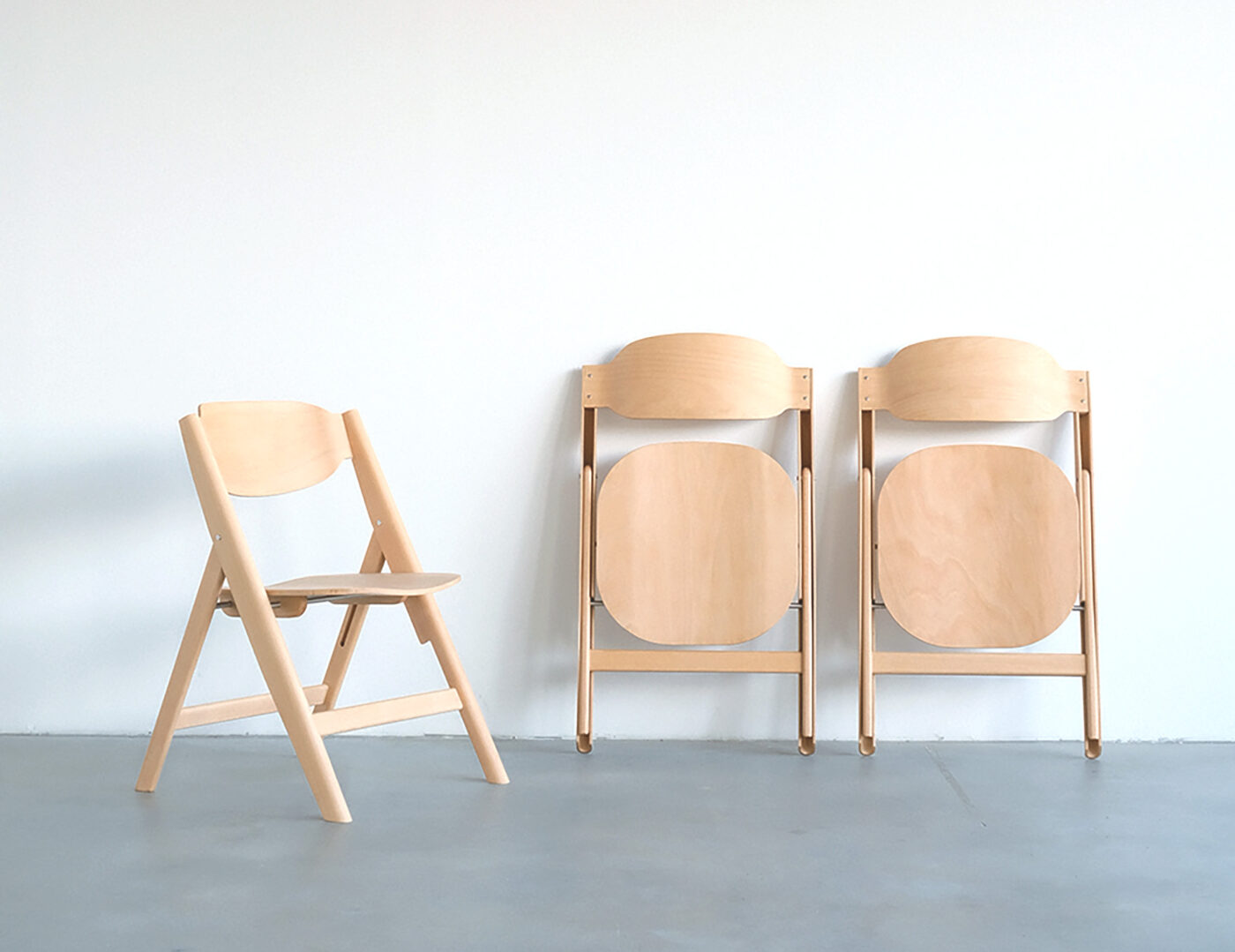
Pitta by Allyssa Kim
Pitta is designed to feel equally beautiful whether it is open or folded. How did this idea influence your design process, and what were the biggest challenges in achieving that balance?
When designing Pitta, I wanted to consider the folded state not simply as a moment of storage, but as another completed form of the chair. I also wanted to create an experience where users would feel encouraged to fold the chair, rather than seeing it as a troublesome task.
Therefore, I focused on creating a structure that would be beautiful and meaningful in both its open and folded states. Through this process, I developed the idea of using U-shaped molded plywood front legs, with the rear legs fitting neatly into the space created by the U-shaped legs when folded. This structure allowed the chair to have a unified and elegant appearance when folded, while maintaining the stability and comfort expected from a regular chair when in use.
The biggest challenge was not only shaping the U-shaped legs, but also refining the details and connections around this distinctive structure while maintaining its beauty and functionality. I worked through these challenges by repeatedly creating and testing mock-ups, gradually refining the balance between structure, function, and appearance.
The chair’s distinctive U-shaped laminated wood frame is both a structural and aesthetic feature. Could you tell us more about how this solution evolved and what it allowed you to achieve in terms of functionality, durability and visual identity?
While exploring how to create a folding chair that could remain compact while also maintaining a beautiful appearance when folded, a major challenge was how to resolve the visual presence of the legs when the chair was stored. I began to consider whether the legs could be designed not merely as structural elements, but as a form that appears as a single leg when folded.
A major influence in developing this idea was Kaare Klint’s Propeller Stool. I was deeply inspired by the beauty created by the way its carved curved parts come together to appear as a single leg when folded. Seeing this work became an important motivation for me to further explore this approach.
At the same time, I believed that prioritizing a compact appearance at the expense of structural integrity would undermine the purpose of a folding chair. Therefore, I aimed to achieve a balance between functionality and aesthetics, which led me to develop the U-shaped molded plywood legs. Through their cross-sectional form, these legs achieve sufficient rigidity even with thin material, creating a structure that is both lightweight and durable.
Furthermore, this unique structure itself has become a defining visual feature of Pitta, allowing it to have its own identity as a folding chair while maintaining beauty even in its folded state.
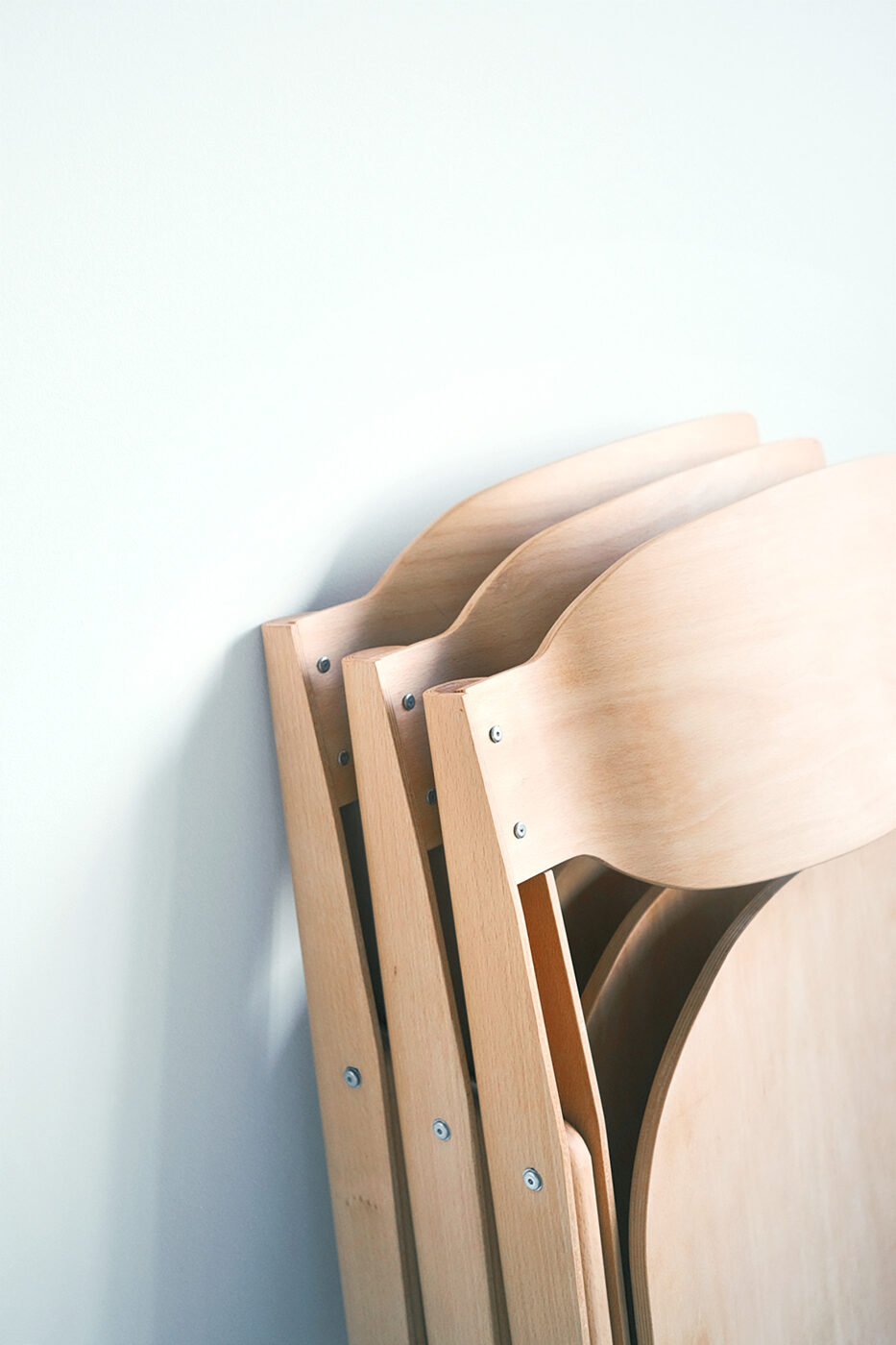
One of the most interesting aspects of Pitta is that its structure becomes the design itself. Was there a particular moment during the project when you realised you had found the right solution?
The moment when I became confident that this structure was the right solution was when I discovered the potential of forming the U-shaped legs.
In the early stages of development, some of my professors suggested that creating such a sharp U-shaped curve with molded plywood might be extremely difficult. However, I did not want to give up without testing the possibility myself, so I decided to create a prototype.
Although the prototype was not yet a finished product, it confirmed that the plywood could be successfully formed into the U-shape while still maintaining sufficient strength.
Furthermore, by experiencing how the rear legs naturally fit into the space created by the U-shaped legs, and by feeling the smooth and satisfying movement of folding the chair through the prototype, I realized that this structure was not only a functional solution, but also a design that adds value and enjoyment to the act of folding the chair itself.
Congratulations on receiving the Emerging Furniture Designer of the Year award! What does this recognition mean to you at this stage of your career, and how has it influenced your confidence as a designer?
I had opportunities to present Pitta in Japan, but I had never shared my work internationally, so applying for this award was a challenge where I did not know how my design would be received. However, I wanted to discover how my work would be evaluated beyond Japan and across different cultures, which motivated me to apply for this award.
Through this recognition, and by having many people see and appreciate Pitta, I felt a stronger connection between my design and society. This experience has given me greater confidence in my ideas and my approach as a designer.
Furthermore, this award has led to discussions with JIFANG, a furniture brand, about the commercialization of Pitta. I look forward to the day when this chair becomes part of someone’s everyday life and is used naturally in their home.
As a recent graduate from Musashino Art University, how has your education shaped your approach to furniture design, and what lessons from your time there continue to influence your work?
Through my studies at Musashino Art University, I have learned that an important part of my approach to furniture design is finding a balance between a calm and steady process of refinement and the passion to continue pursuing the initial impulse that sparks an idea.
During the design process, I learned the importance of repeated testing and of patiently engaging with each challenge. Rather than making decisions only in my mind or through digital data, I create physical models and evaluate them through direct interaction, which allows me to deepen my understanding of the design. Through carefully examining details and continuously refining through trial and error, I have experienced how a design can develop into something stronger and more complete.
At the same time, I value the initial impulse that becomes the starting point of a design. Although the first idea may still be rough, I believe it often contains the essential qualities of the design. Discovering those qualities, analyzing them, and refining them into a more sophisticated form is another important lesson I gained through my time at university.
Going forward, I hope to continue designing furniture by valuing both the initial impulse that drives an idea and the calm, patient process of testing and refinement that brings it to completion.
Looking ahead, what kinds of projects or ideas are you most excited to explore next? Do you see yourself continuing to develop furniture that reimagines everyday objects, or are there new directions you’d like to pursue?
Going forward, I would like to continue designing furniture and products based on the theme of “furniture as tools,” which has remained a consistent focus throughout my work.
Until now, I have created furniture based on my own ideas and experiences in daily life, shaping them from my own perspective. However, through the commercialization of Pitta, my design is entering a new stage where it will become part of someone’s everyday life.
By allowing my work, which previously existed within my own creative process, to reach actual users, I hope to gain a deeper understanding of the role that furniture and products can play in people’s lives.
For me, furniture and products are not simply objects that make life more convenient; they are things that engage with people’s lifestyles and become connected to their daily actions and senses. Moving forward, I would like to further explore the relationship between people and objects, and challenge myself to create more interactive products that encourage meaningful connections with their users.
I hope to design furniture and products that people naturally want to engage with, and through everyday use, discover new values and experiences.
Taking home the title of Furniture Design of the Year, Ignacio Merino offers a fresh perspective on historical seating with the Mezza Chair. The piece reinterprets an 18th-century Alpine chair style, stripping it down to a surprisingly minimal form. Built entirely from legally harvested European beech, the chair matches strict structural stability with a light, purposeful form where no component is wasted.
Could you tell us a little about your journey into furniture design? How has your background in design, research and education influenced your work?
I grew up in a small apartment in Madrid, raised by a bookseller, my father, and a landscape architect, my mother. As you can imagine, it was a home filled with well-balanced books of all kinds, alongside a love for nature and urban-planning.
Despite the good taste that radiated from our home environment, the world of design only appeared in my life when I started university, where I discovered the existence of industrial design through technical engineering courses. It has been a great passion of mine ever since. Having the opportunity to complete a Master degree in design at ECAL, Switzerland, was a great boost, thanks to the excellent education and the workshops available to the students. From there, I was able to connect with the world of design research, which I pursued for four years at the University of Bolzano, where I currently continue to collaborate as an lecturer.
Personally, I have found the combination of educational backgrounds in technical engineering and product design, along with my personal work experience in the automotive design industry, to be very useful. It is a very powerful combination when it comes to bringing together different, highly valuable skills for a project. In other words, I believe that a designer, regardless of their background, must be able to draw on logical-technical thinking in combination with critical-humanistic thinking in order to challenge the assumptions we are given.
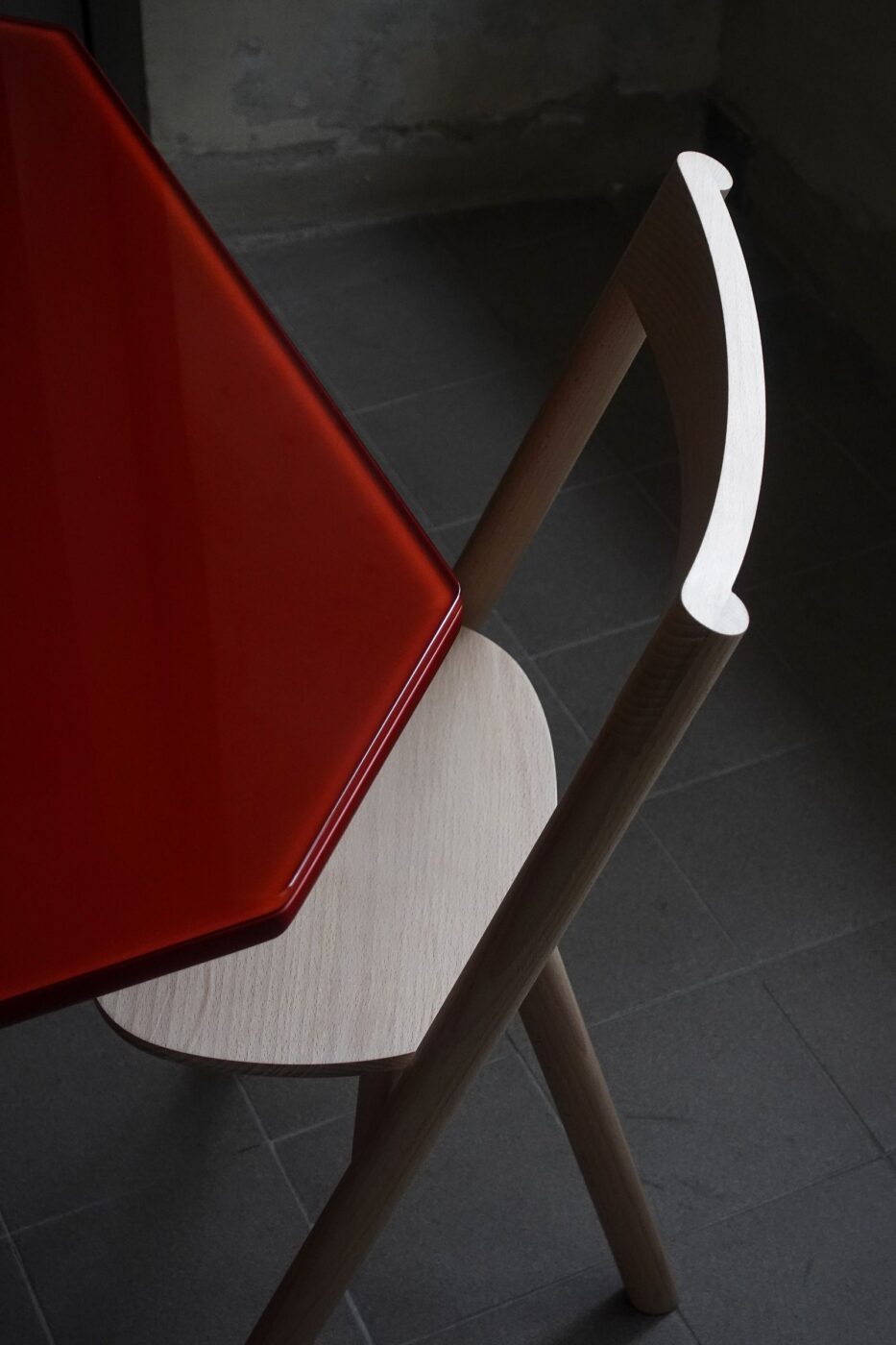
What inspired you to revisit an 18th-century Alpine chair and reinterpret it for contemporary living?
This project began with a close look to the book ‘As Found, Discovery of the Ordinary’ published in 2001, which presents a particular approach to design. It was the designer Klaus Hackl who introduced me to this publication. At its core, it’s about recognizing the value in what already exists, the familiar, the understood, what we might call ‘yesterday’s new’. The idea is straightforward yet powerful: if something has endured, it holds inherent worth. Our task, then, is to recognize these existing elements and thoughtfully engage with their features.
What makes the As Found approach rather radical is its sharp focus on the present – what exists here and now, and how it relates to real, ordinary things. Rather than chasing utopian ideals or being swept up by innovation for innovation’s sake, it grounds itself in the tangible and practical.
I recommend reading ‘As Found: The Discovery of the Ordinary’ edited by Claude Lichtenstein and Thomas Schregenberger and published in 2001.
This chair design emerged from a conversation with an ‘as found’ piece from the 1700s, which I discovered during a visit to the Volkskunstmuseum in Innsbruck. This curious object sits somewhere between a chair and a crafted stool, with some rather distinctive features. It stands slightly taller than a typical chair, with an intriguing halfmoon seat that’s notably compact, just 26cm deep compared to today’s average standard 38cm.
Mezza Chair is remarkably compact while still offering comfort and stability. What were the biggest challenges in achieving that balance?
In my work as a designer, I have learned over time not to rush and to try to study the object from various perspectives, both digitally and with physical models. I gradually engage in a dialogue with the idea until it matures enough to be called a finished object, ready for use. In the case of the Mezza Chair, the part that took me the longest was working on the proportions and the geometric fitting of the structural part hidden under the seat, as well as the seat-to-backrest inclination angles that ensure the necessary comfort for a compact chair like this one.
The chair’s three-legged structure and interlocking wooden construction are both distinctive features. Could you tell us more about how these design solutions came together?
The choice to work with wood, a warm and approachable material, was dictated by the nature of the object and where I believe it can best coexist, particularly in small domestic or hotel spaces. This typological factor, combined with the nature of the 18th-century chair I am paying homage to, led me to work with a construction strategy based on interlocking joints, balancing stability and visual solidity. Gradually, through different phases of back-and-forth between design, prototyping, and testing, the object began to take shape. Once I understood the potential of the three-legged construction and the possibility of connecting the front legs to the backrest, giving the object its dynamic character, it happened almost automatically.
Sustainability is an important aspect of your work. How did material selection and craftsmanship influence the final design of Mezza Chair?
In this project, I took charge of the design, prototyping, and construction of the object myself. As I mentioned earlier, the selection of the material responds to an environmental material need, where the object presents itself to the public and invites use. I believe solid wood is the right material for this. On the other hand, the final silhouette of the object speaks to the combination of the structural needs of the piece and my own construction and prototyping capabilities. It is a dialogue between function and my craftsmanship limits, and I think it is well balanced.

Ignacio Merino @Karla Voleau
Congratulations on winning Furniture Design of the Year! What does this recognition mean to you, and how does it feel to see Mezza Chair receive this award?
I believe that given the difficulties present today in the world of product design, where competition is (very) high and the possibility of producing an object with a company is complex, winning the award serves as an encouragement to continue working on new projects and seeking relevant solutions for the objects that surround our daily lives.
Your work often combines design with engineering and research. How do you see these different disciplines shaping the future of furniture design?
For me, the convergence of design, engineering, and research is fundamental to stepping away from “blind-solutionism” and technological innovation simply for the sake of innovating. As I have proven by combining academic research with industrial experience, logic must always work hand in hand with critical thinking so as not to lose sight of the object’s true purpose. I see the future of furniture design not in creating shapes dictated by trends or hyper-consumerism, but in technical refinement and analytical rigor. These combined disciplines allow us to build honest objects, capable of existing in the background and centered on the coherence between the real needs of the user, the material, and the environment.
Looking ahead, what kinds of projects or ideas are you most excited to explore next?
Looking ahead, I am motivated to continue exploring the “As Found” approach and the technique of reaction: paying close attention to the ordinary and to what already exists in order to transform the familiar into relevant solutions for our daily lives. Additionally, I am enthusiastic about the idea of collaborating with local industries and companies where I can innovate through observation and pragmatic analysis. I want to continue developing projects that explore honest materials, balancing rigorous structural functionality with the warmth of a living space. And, of course, I am interested in keeping that research component open, allowing design to function not only as a resolution of practical problems, but also as a space for dialogue and critique regarding our behavior toward objects.
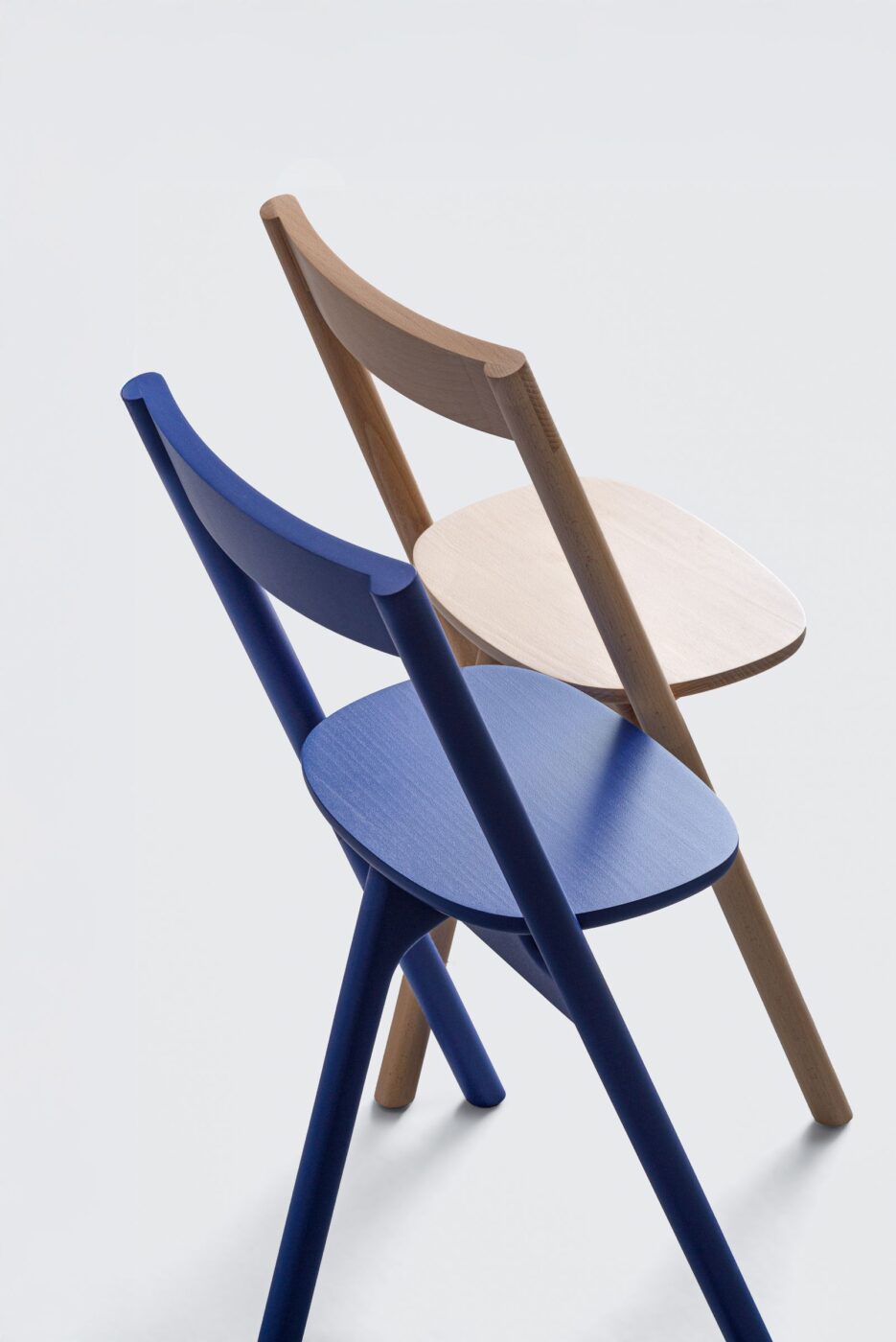
Mezza Chair: Three-legged dining chair by Ignacio Merino
From a dining chair eight parts wide and decades in the thinking to a gastronomic retail world anchored by a living atrium, this year’s 420 entries from 46 countries arrived with something to say about how we sit, gather, and inhabit the spaces around us.
Switzerland – The SIT Furniture Design Award has announced the winners of its 2026 edition, celebrating the designers, architects, and creative thinkers who continue to push the boundaries of how we furnish and inhabit space. This year, 420 projects from 46 countries entered the competition across categories spanning furniture innovation and spatial design, and the jury was tasked with identifying work that goes beyond craft — work that changes how we think about the objects and environments around us.
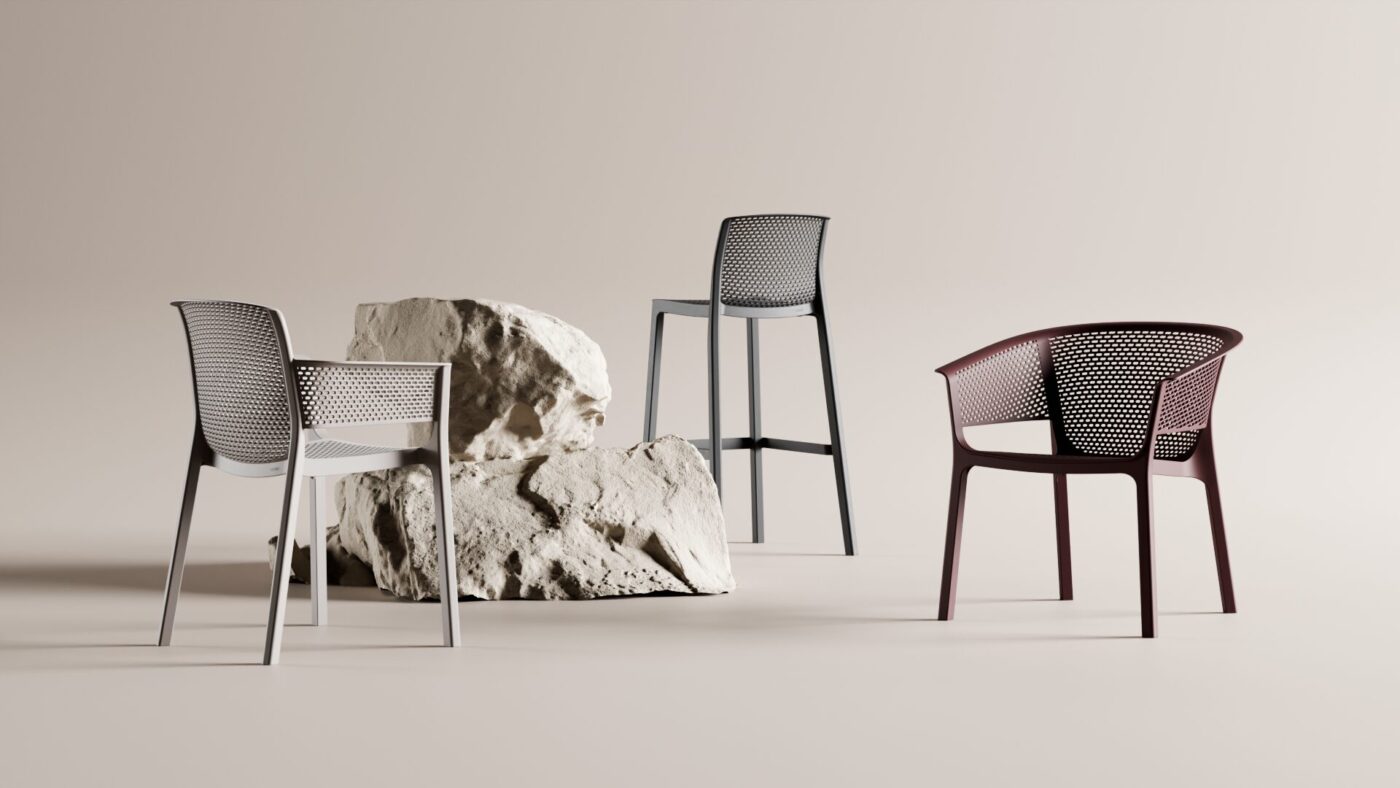
Nexo by Kabo & Pydo design studio
The Furniture Design of the Year title goes to Ignacio Merino for the Mezza Chair — a three-legged dining chair that distils an 18th-century Alpine seat typology into something quietly radical. Compact at just 26 cm deep, cantilevered on twin rails for visual lightness, with a curved backrest that grows from the front legs and eight interlocking beech-wood parts joined by a T-junction beneath the seat, the Mezza Chair achieves structural rigour through elegant simplicity. Sourced from legally harvested European beech, it is a piece where every decision serves both form and purpose.
The Interior Design of the Year award goes to A Work of Substance for House of Shinsegae, located in the Gangnam flagship of Shinsegae Inc. in Seoul, South Korea. Designed by Maxime Dautresme and Seoyoon K, the project transforms a conventional retail floor into something closer to a residence than a store — layered with solid timber warmth, brass and high-gloss lacquer contrast, deep jewel-toned upholstery, and a circadian lighting system that shifts with the arc of the day. At its centre, a reimagined atrium acts as a social anchor rather than a transitional space. The guiding concept — discovery as ritual — turns shopping into spatial storytelling, and does so without a single superfluous gesture.
Emerging talent is equally celebrated in this year’s edition. The Emerging Furniture Designer of the Year title goes to Allyssa Kim, a student at Musashino Art University in Tokyo, for Pitta — a folding chair that challenges everything ordinary about the category. Where most folding chairs resign themselves to looking temporary, Pitta holds its presence whether open or closed. Its U-shaped laminated wood leg folds cleanly into the frame, creating a silhouette that is both structurally sound and quietly distinctive. The form is the function, and the function is the design.
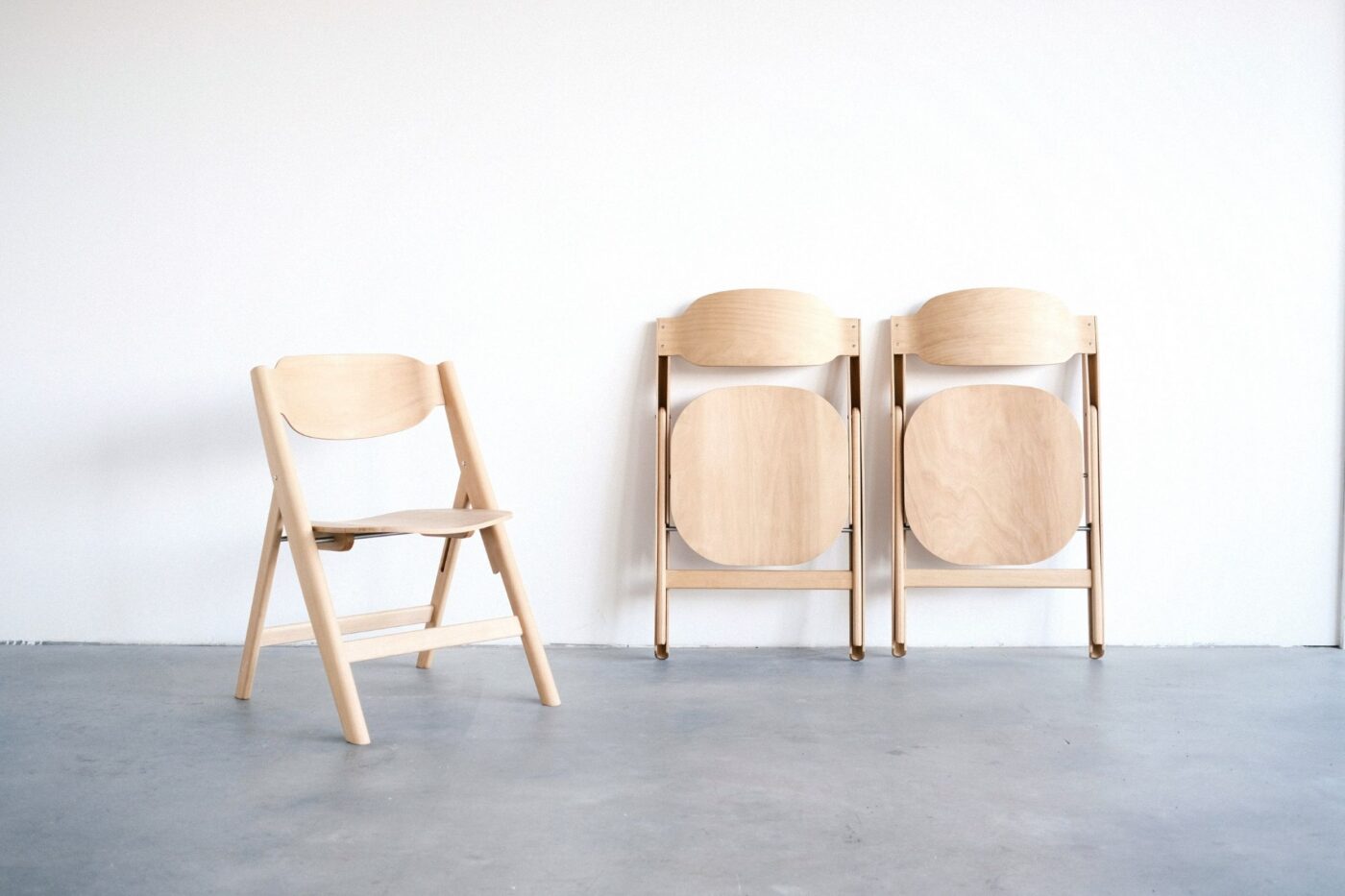
Pitta by Allyssa Kim
The selection was made by a distinguished international jury of designers, educators, and creative leaders, including Josh Owen (President at Josh Owen LLC), Alain Gilles ( Founder and Lead Designer at Alain Gilles The Studio) Lilian González-González (Anáhuac University of México / World Design Organization), Jeremy Myerson (Royal College of Art / WORKTECH Academy), Richie Moalosi (Director at University Innovation Pod (UniPod) at the University of Botswana ), Sarah Hossli ( Founder & Product Designer of Sarah Hossli Product Design), Javier Palomares (Principal at Curve Ahead Desing), Daisuke Nagatomo (Associate Professor at the Department of Design, National Taiwan Normal University), among others. Their breadth of expertise — spanning product design, spatial practice, and design education across five continents — reflects the global ambition of the award.
“What strikes me most each year is how different the winners are from one another — and how that difference is exactly the point. Some designs strip everything back until only what matters remains. Others build entire worlds from a single concept. That tension between reduction and abundance, between the handcrafted and the experiential — that’s where furniture and interior design are most alive. SIT exists to find work like this, wherever in the world it comes from.” — Astrid Hébert, Co-Founder, SIT Furniture Design Award.
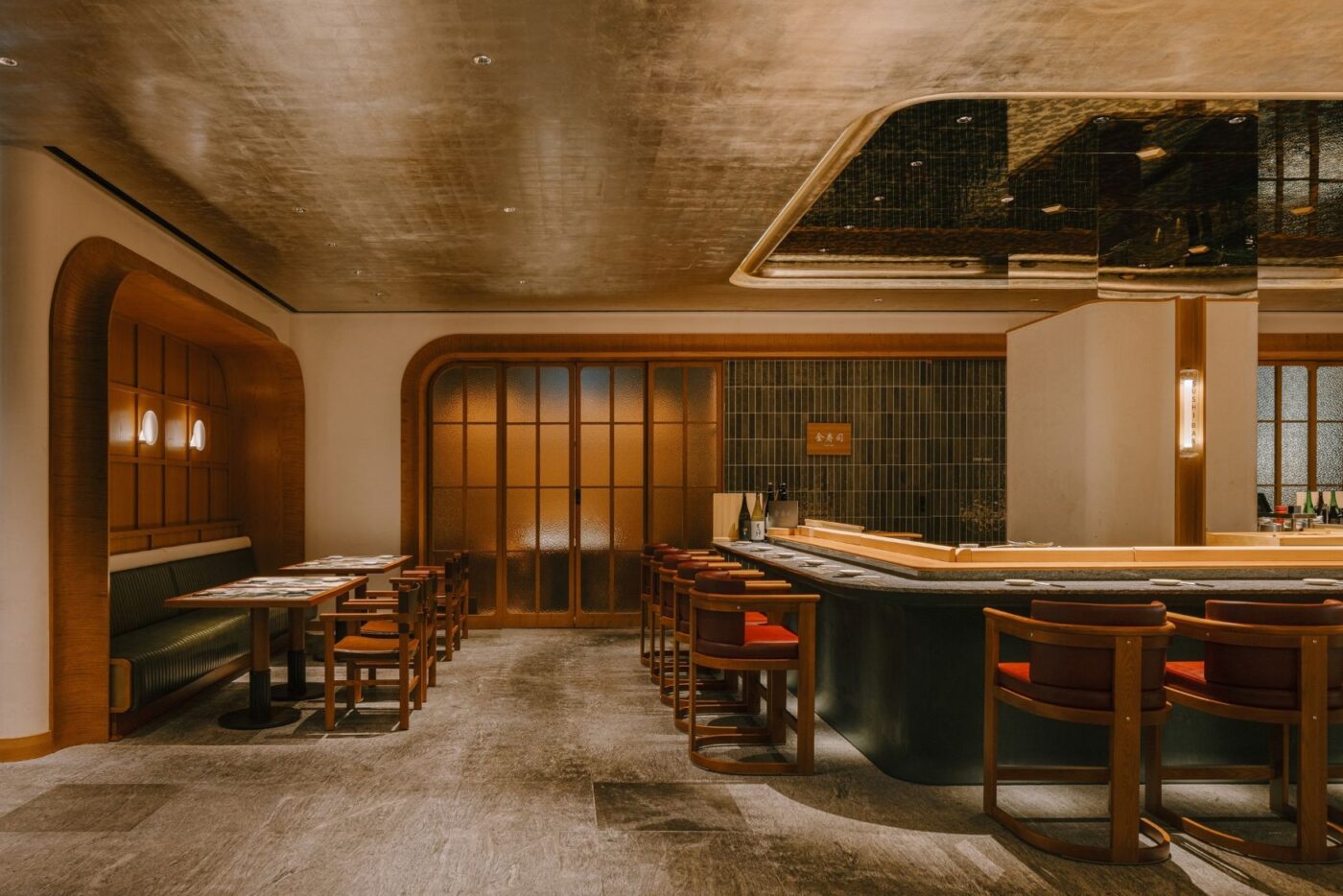
House of Shinsegae by A Work of SubstanceThe 2026 program also drew a rich field of work across all categories, reflecting the award’s continued reach across disciplines and geographies. The full list of winners and honorable mentions is available at www.sitaward.com.
Introducing the SIT Furniture Design Award 2025 Catalogue, a collection of winning designs in furniture and interior design. This catalogue celebrates the winners of the 5th edition of the SIT Award, both established professionals and emerging talents showcasing their innovative creations and pushing the boundaries of form and function. Additionally, the catalogue features exclusive interviews with the “Designers of the Year”, offering unique insights into their creative processes and inspirations.
The catalogue is available to purchase on Amazon and can be downloaded on the SIT Furniture Design Award website.
Explore the future of design through the visionaries shaping it today!
A record-setting ceremony that brought together world-renowned studios, award-winning architects and a new generation of emerging designers for a night dedicated to creativity, collaboration and the future of design inside one of Basel’s most iconic cultural spaces.
On Friday, November 21st, 2025, Basel became the centre of the international design community as the SIT Furniture Design Award came together for their largest celebration to date. Two hundred guests from more than thirty countries, from China, Japan, Thailand, South Korea and Vietnam to the United States, Canada, Costa Rica, Argentina, South Africa and New Zealand, gathered inside the spectacular Elisabethenkirche, the 19th-century neo-Gothic landmark now transformed into one of Switzerland’s most striking contemporary cultural venues.
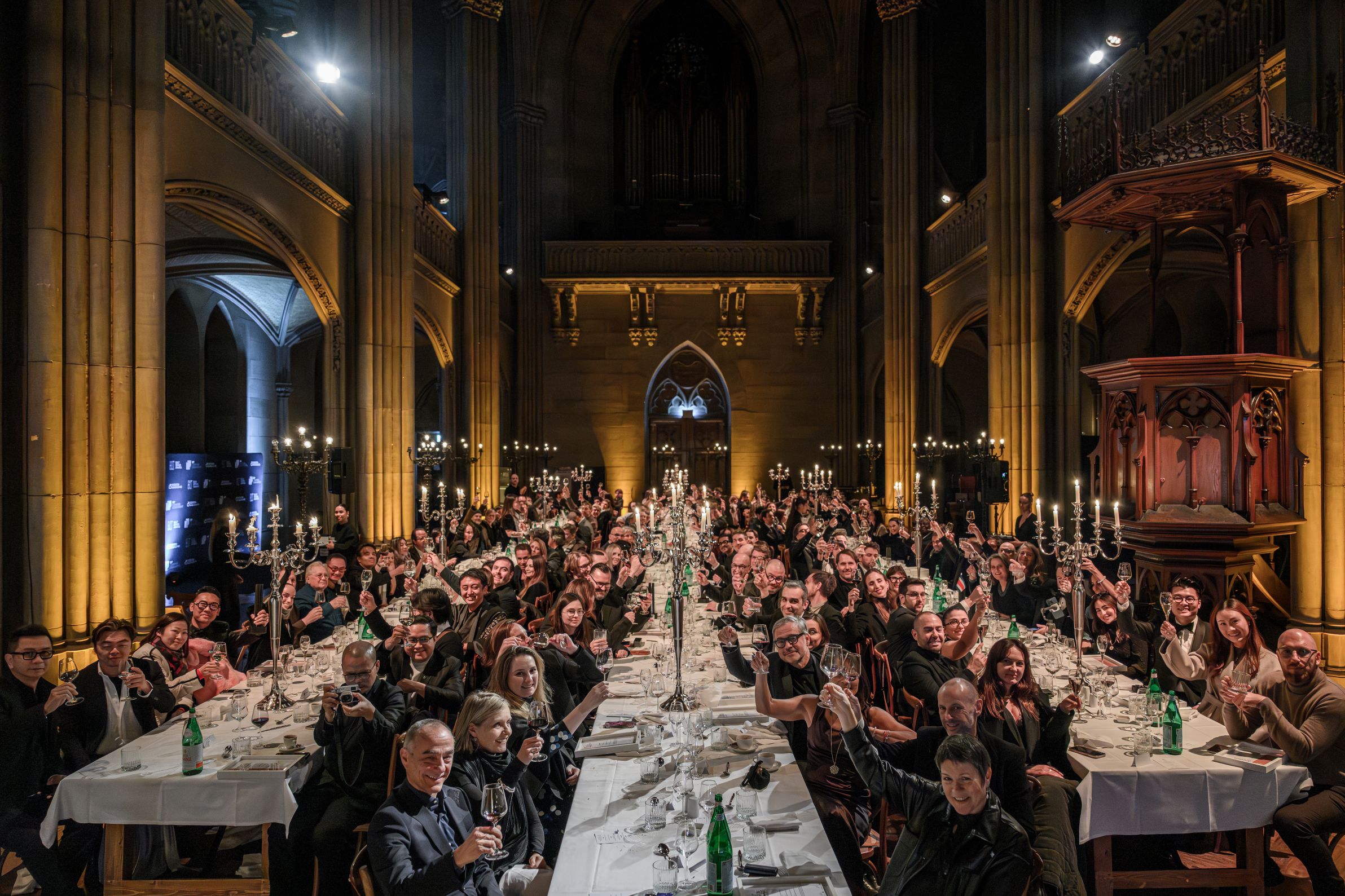
The decision to host the ceremony in the Elisabethenkirche underscored the awards’ shared values, honouring innovation, craftsmanship and adaptive reuse design at a moment when architecture and furniture design continue to respond creatively to the challenges of the built environment.
The evening brought together the winners of the 2024 and 2025 BLT Built Design Awards and the SIT Furniture Design Award, presenting both trophies and certificates on stage, accompanied by a seated gala dinner. Designers, architects, product innovators, academics, students, media partners and jury members connected throughout the evening, turning the neo-Gothic space into a lively international meeting point.
The ceremony was led by the 3C Group co-founders, Astrid Hébert and Hossein Farmani, who guided an extensive programme featuring some of the world’s most notable firms and emerging talents. Jury members joined them on stage to present the top-level trophies, including Pal Pang, London-based interior architect and artist and Chief Creative Officer of Another Design International; Dr. Anna Grichting Solder, Swiss architect, urbanist and musician with a Doctor of Design in Urbanism from Harvard; Andreas Rupf, Head of ETH RAUM at ETH Zürich and founder of SPEKTRUM GmbH, specialising in strategic spatial planning; Samantha Lassoudry, Founder & Chief Designer of Lassoudry Architects in Basel with a “custom-made couture” approach; Amir Idiatulin, Founder & CEO of IND (Russia/Global) and leader in architecture and urban strategy; Christian Brendelberger, Partner at Dietziker Partner Baumanagement AG and Head of Cost Planning on large-scale Swiss projects; and Alain Gilles, Brussels-based furniture and product designer, founder of The Studio and acclaimed internationally for his award-winning design work.

The SIT Furniture Design Award brought an equally global line-up, honouring ESCOFET, A-01 (A Company / A Foundation) and Shenkar College of Engineering and Design, alongside designers and studios such as Anna Lvovskaya of DA Bureau, Erick Martinez, HMN Handelsagentur, Studio Minus, Sila Yilmaz, Charles O. Job Design, Jan Goderis Design Lab, Franco Driusso of DAA DriussoAssociati Architects, Divan.ru, Olek Furniture, Raju Disain, Robert London Design, Klokner Institute at CTU in Prague, UDIT – Universidad de Diseño Innovación y Tecnología in Spain, ArtCenter College of Design, Howest Kortrijk, Queensland University of Technology, the Royal Danish Academy, Shih Chien University and the Faculties of Design represented by Filippo Sartori and Simone Codutti.
Students from fifteen universities were welcomed on stage throughout the evening, including Cape Peninsula University of Technology, Savannah College of Art and Design, Utah State University and Hochschule Koblenz, alongside previously mentioned institutions such as ETH Zürich, Bartlett School of Architecture at UCL, Shenkar College, UDIT, ArtCenter, Howest, Queensland University of Technology, the Royal Danish Academy and Shih Chien University, marking an extraordinary gathering of emerging designers and ensuring each university appeared only once across the ceremony.
Speaking about the scale of the evening, Astrid Hébert shared: “Standing inside the Elisabethenkirche and seeing designers, students and partners from all over the world gathered in one place was incredibly moving. Bringing the BLT Built Design Awards and the SIT Furniture Design Award together in this historic venue made the scale of the evening truly sink in, and I felt deeply grateful for the energy in the room and for everyone who travelled so far to celebrate with us at the biggest and most inspiring ceremony we have ever hosted.”
This year’s ceremony was supported by media partners including D5 MAG and v2com, marking another year of international collaboration and visibility for the award winners and their work. To explore the winning projects, keep up with upcoming deadlines or get involved in future editions, visit the official award websites and stay part of the global design community.

From bioclimatic interiors that breathe with the forest to sculptural seating shaped by ultra-performance concrete, this year’s winners reflect the bold, the functional, and the visionary.
We’re excited to announce the winners of the SIT Furniture Design Award 2025 and even more thrilled to celebrate our fifth edition! With over 400 submissions from 44 countries, this year’s awards highlight the designers and studios rethinking how we sit, live, rest, and relate to the spaces around us. From inventive interiors to standout outdoor concepts, the selected works reflect a thoughtful and inspired approach to design today.
Let’s take a look at this year’s main winners — the projects that truly stood out:
The Interior Designer of the Year award goes to A-01 (A Company / A Foundation), a practice based in both Costa Rica and the Netherlands, for their No Footprint Wood House. Perched along the lush Pacific coast, this bioclimatic structure goes far beyond aesthetics. It blends with its jungle setting, breathes with the landscape, and functions as both a home and a prototype for regenerative design.
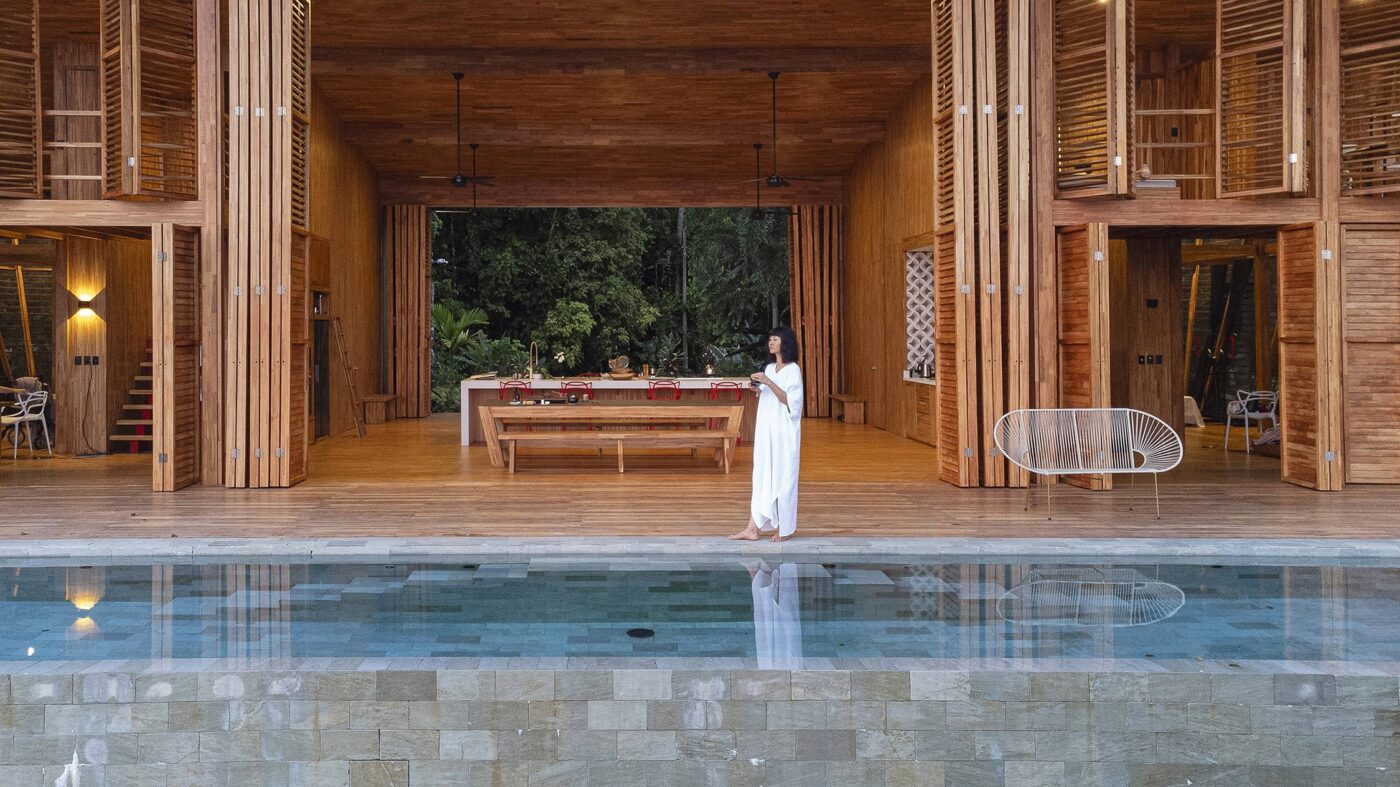
No Footprint Wood House by A-01 (A Company / A Foundation)
In the Furniture Design of the Year category, Foster + Partners won for Gather and Tiers, two sculptural collections developed with Barcelona-based concrete experts ESCOFET. Made from ultra-high-performance concrete, these public seating systems offer privacy and flexibility, inviting us to reclaim the outdoors with elegance and intention.
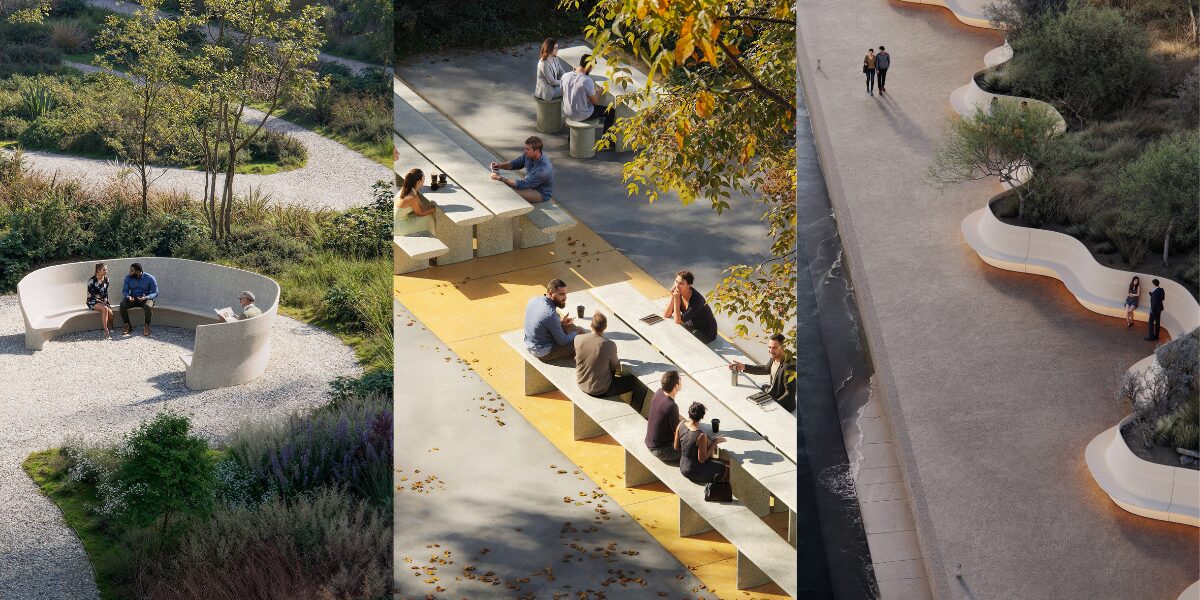
Gather and Tiers by Foster + Partners
Emerging talent is equally celebrated. The Emerging Furniture Designer of the Year title goes to Elay Dagan for The Saddle stool, a sculptural object that captures the illusion of softness within a rigid material. The piece, born of experimentation with movement and material tension, plays with space as much as form.
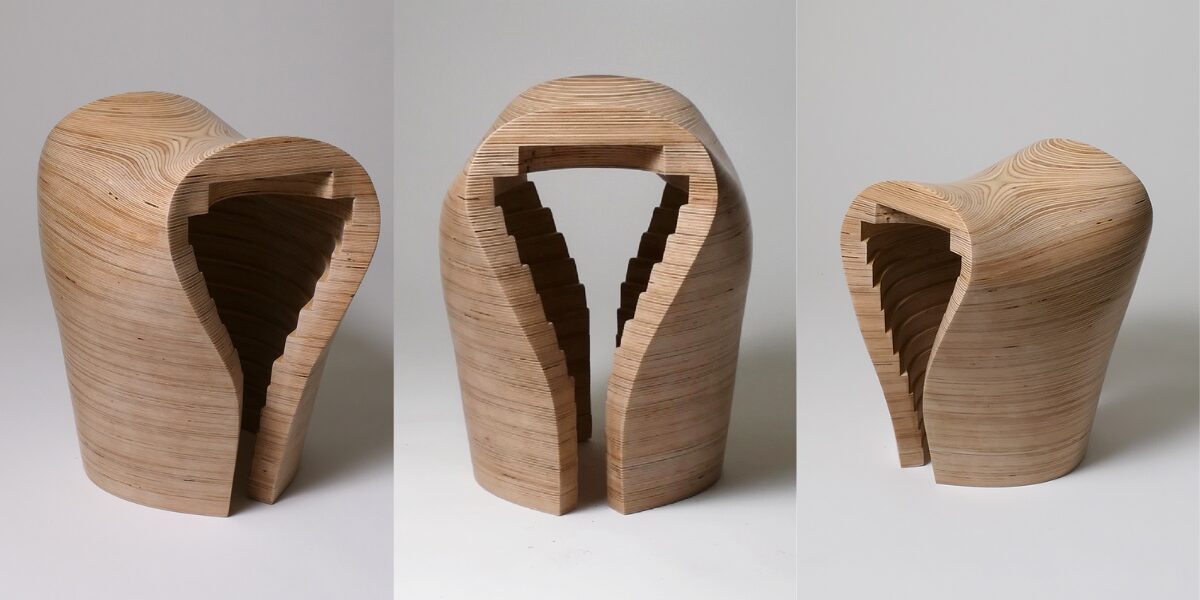
The Saddle stool by Elay Dagan
Alongside these headlining honors, this year’s competition welcomed an exceptional variety of standout designs: from the serene Floating Bed by Winzeler Holzdesign to the rippling concrete forms of TOPOS Outdoor Furniture Collection by Zaha Hadid Architects. Other highlights include the playful Biscuit armchair by WOWIN.UA, the elegant Ribbon Desk by Scot Distefano, and Canopy House by Studio Mk27.
The selection was made by a prestigious international jury of designers, architects, and educators, including Lilian González-González, Alain Gilles, Nima Bavardi, Christina Chen-Chiao Kuo, Bo Zhang, Richie Moalosi, Fereshteh Haji Gholami, and Javier Palomares, to name only a few. Their collective expertise reflects the award’s global scope and growing impact in shaping design dialogue across continents.
“We created the SIT Furniture Design Award to celebrate excellence in this often-overlooked but fundamental design discipline,” says Astrid Hébert, Co-Founder of the Awards. “What’s truly exciting this year is the extraordinary range, from iconic studios like Foster + Partners and Zaha Hadid Architects to promising new voices like Elay Dagan. It’s a sign that SIT is no longer a niche platform; it’s becoming a key destination for discovering what’s next in furniture and interior innovation.”
As the industry continues to blur the lines between architecture, product, and spatial design, SIT remains a vital platform for designers whose work speaks not just of objects, but of how we inhabit the world. For the complete list of winners and jury bios, visit www.sitaward.com.
Introducing the SIT Furniture Design Award 2024 Catalogue, a collection of winning designs in furniture and interior design. This catalogue celebrates the winners of the fourth edition of the SIT Award, both established professionals and emerging talents showcasing their innovative creations and pushing the boundaries of form and function. Additionally, the catalogue features exclusive interviews with the “Designers of the Year”, offering unique insights into their creative processes and inspirations.
The catalogue is available to purchase on Amazon and can be downloaded on the SIT Furniture Design Award website.
Explore the future of design through the visionaries shaping it today!
The SIT Furniture Design Award has become a platform for recognizing top-notch talent in the world of furniture and interior design. Check out the winners of the competition’s fourth edition, and discover how they achieved the perfect balance between form and function.
Switzerland – From cutting-edge designs to bold innovations, the SIT Furniture Design Award has once again showcased the most exceptional talent in furniture and interior design. With over 400 entries from professional and emerging designers from around the world, the competition was fierce, but only a few stood out as the best of the best.
The grand winners of the SIT Furniture Design Award 2024 are:
Furniture Design of the Year: Poty Armchair by Stdio Lucas Caramés
The Poty Armchair draws inspiration from the exuberant Craft Culture of the Delta Parnaíba, merging contemporary comfort with traditional local elements. Crafted with a solid wooden structure, its notable feature is the carnauba straw weave enveloping the chair, a nod to the region’s artisanal tradition. This blend of modern design with cultural heritage creates a visually stunning and culturally rich piece, providing both physical and sensory comfort.
Interior Design of the Year: Daphne by Studio Paolo Ferrari
Daphne, located in Toronto, reimagines the quintessential American bistro with a contemporary and eclectic touch. Custom-designed furniture and lighting enhance the space, which balances the unexpected with the warmth of New England prep. Inspired by art, architecture, and cinema, Daphne embodies a cinematic duality, inviting guests to explore and experience the joy of discovery.
Emerging Furniture Designer of the Year: Otto Lounge Chair by Jenna Jang, Art Center College of Design
In response to the evolving workspace dynamics post-pandemic, the Otto Lounge Chair is designed to adapt to both home and office environments. With refined cushions and oak wood, it brings comfort to any space. Its versatile design allows it to function as both a lounge chair and a workspace accessory, reflecting the changing needs of modern life.
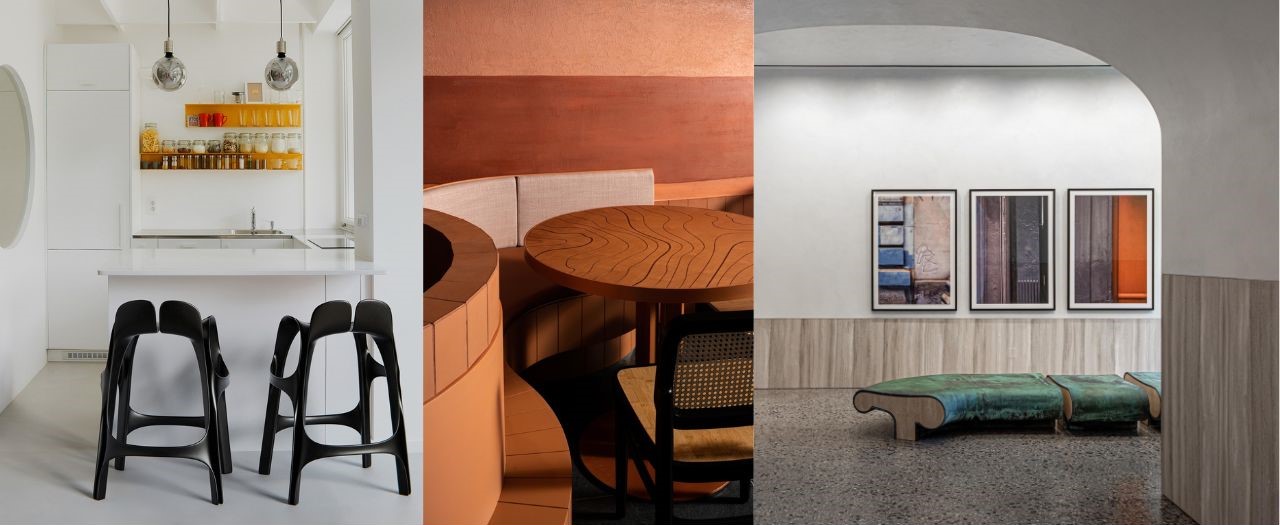
Other winners in Furniture Design include JG Neukomm Architecture for The Suffolk Gallery Bench, Noriko Hashida Design winning with Enots Floor Chair, La Firme with Sarto Series and Street + Garden being recognized for Honeysuckle Park Newcastle Australia. In Interior Design categories, the recipients include Messana O’Rorke teams design of the West 53rd Street Apartment, Wow Atelier for the Best Friends: Roadhouse & Mercantile, A-01 (A Company / A Foundation) winning with the Black House (Casa Negra) and No Footprint House (NFH) and HDC Design with Meet the Bund (Xintiandi). Each winner in their respective category reflects the perfect combination of form, function, and aesthetic appeal that sets them apart from the rest.
Among the distinguished jury members were Alain Gilles, Founder and Lead Designer at Alain Gilles The Studio from Belgium; Bo Zhang, Artist & Chief Designer at Desz Office from New York; Niko Kapa, Design Director at Studio Niko Kapa from the United Kingdom; Christina Chen-Chiao Kuo, Creative Director & Founder of Kuuo Living Limited from Canada; and Nataly Bolshakova, Founder and Lead Designer at Bolshakova Interiors, representing Ukraine. These individuals, representing just a portion of the esteemed panel, contributed their expertise to recognize outstanding design talent on a global scale.
Astrid Hebert, the co-founder of the SIT Furniture Design Award, emphasized the global significance of the event, highlighting the diverse geographic origins of the participating designers and the international composition of the judging panel. “Recognizing both emerging and established designers from around the world underscores our commitment to inspiring innovation in furniture and interior design. This year’s winners exemplify the global impact of design creativity and the collaborative spirit that drives our industry forward.”
All the winners can be viewed in the winner’s gallery on the SIT Furniture Design Award website (sitaward.com).
The annual catalog features the winners of the SIT Furniture Design Awards 2023 in Interior Design and Furniture Design is now available.
Read the exclusive interviews of Eugene Alletto, the visionary leader of BEDGEAR’s acclaimed M3 Performance® Mattress and Innovation of the Year 2023 winner, the Furniture Design of the Year 2023 team behind the Typology Ribbon Bench, and emerging designers.
The catalog is available to purchase on Amazon and can be downloaded on the SIT Furniture Design Award website.
Zurich, Switzerland – From cutting-edge designs to bold innovations, the SIT Furniture Design Award has once again showcased the most exceptional talent in furniture and interior design. With over 400 entries from professional and emerging designers from around the world, the competition was fierce, but only a few stood out as the best of the best.
The SIT Furniture Design Award has become a platform for recognizing top-notch talent in the world of furniture and interior design. Check out the winners of the competition’s third edition, and discover how they achieved the perfect balance between form and function.
The grand winners of the SIT Furniture Design Award 2023 are:
Interior Design of the Year: Muskoka Cottage by Studio Paolo Ferrari
Furniture Design of the Year: Typology Ribbon Bench by Landscape Forms
Innovation of the Year: M3 Performance® Mattress by BEDGEAR®
Emerging Furniture Designer of the Year: Daejo by Tom Man
Emerging Interior Designer of the Year: Soul Cave – Patagonia by Tony Wu
These winners were selected through a multi-round voting process by a panel of distinguished judges from around the world, including Lilian González-González, Industrial Design Academic Coordinator at the Anáhuac University of México and Board Member at World Design Organization, Barend Slabbert, Programme Leader Interior Design at the University of Derby, Nataly Bolshakova, Founder and Lead Designer at Bolshakova Interiors, Radhika Seth, Vice President of Sales of Yanko Design, Jakob Kjaer Nielsen, Global Design Director at Global Design Director and more industry leaders. The winning designs truly exemplify the importance of recognizing outstanding talent in furniture and interior design, showcasing how creativity, innovation, and sustainability can work hand in hand to produce outstanding pieces that elevate the very concept of design.
Astrid Hebert, the founder of SIT Furniture Design Award, is delighted by this year’s winners and highlighted the importance of recognizing both emerging and established designers. “Design is an ever-evolving field, and we must give space to new talents and established designers alike to showcase their work and push the boundaries of creativity.” adding that “Our mission at the SIT Furniture Design Award is to inspire innovation in furniture and interior design, and this year’s winners have done just that. We congratulate them on their impressive creations and look forward to seeing what they will accomplish in the future.”
Other winners in Furniture Design include Karim Rashid for the “Ego Chair”, Jan Flook Lighting with the “Cloud 9”, the German company Maytoni with the “Reflex” winner in Pendant Lighting, García Requejo with the “Arum Lily Collection”, Flexispot for the “V6 Intelligence Fitness Chair” and Studioforma for the lounge chair called “CLODETTE”. In Interior Design categories, the recipients include TABOORET teams design of the “Ukrainian L’Oreal Academy”, Wow Atelier for the “X-Mission” office, Twins Studio winning with the “Tuya Mykonos” in Greece, Johannes Torpe Studios Denmark Aps for the restaurant “Levi” and the Japanese Interior design firm Kamitopen with “Goodman Amenity Space”. Each winner in their respective category reflects the perfect combination of form, function, and aesthetic appeal that sets them apart from the rest.
All the winners can be viewed in the winner’s gallery on the SIT Furniture Design Award website (sitaward.com).
Photo: From left to right ED407 Lido Sofa by Studio Paolo Ferrari, photo credit: Dion Yu Yan Lin, Punto by Sofia von Hauske, Kaef armchair by Arseniy Brodach